
Finding a personal style that feels consistent—without feeling stuck—gets easier when the decision-making is mapped. A style archetype approach turns vague preferences (colors, silhouettes, mood, and lifestyle needs) into a usable system you can apply to outfits, shopping, and wardrobe edits. Instead of chasing a new aesthetic every season, archetype mapping helps you build a practical “style profile” that supports real life: climate, dress codes, comfort, budget, and time. For more guidance, see Style guides by government agencies | Digital.gov.
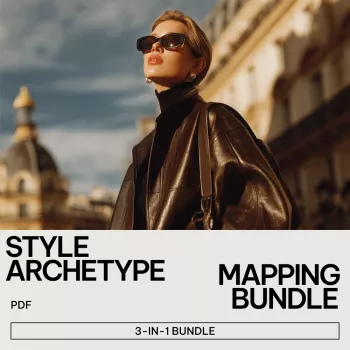
If you’re ready for a repeatable method, the Style Archetype Mapping Bundle | 3-in-1 Digital Guides for how to find your style archetype is designed to move you from discovery to daily outfit formulas—so getting dressed feels simpler and more like you. For further reading, see Rochester Editorial Style Guide – University Marketing and ….
Style archetypes describe repeatable patterns: the shapes, fabrics, details, and overall vibe that consistently look and feel right on you. Mapping is the process of translating those preferences into a clear style profile you can use as a filter for both outfits and purchases.
Most importantly, a useful archetype map connects aesthetics to real constraints. A dramatic, high-contrast wardrobe might look amazing in photos, but if you commute on foot, live in a humid climate, or need movement-friendly outfits, the map should reflect that. The goal isn’t to squeeze yourself into a label—it’s to build a decision tool that makes your wardrobe more consistent, faster.
| Archetype direction | Visual cues | Best-known wardrobe staples | Avoid when shopping |
|---|---|---|---|
| Classic / Polished | Clean lines, balanced proportions, minimal prints | Tailored blazer, straight-leg trousers, loafers | Trendy micro-details that age quickly |
| Romantic / Soft | Draping, gentle shapes, delicate details | Wrap dress, silky blouse, subtle jewelry | Stiff fabrics that fight the silhouette |
| Dramatic / Statement | High contrast, sharp lines, bold scale | Structured coat, pointed-toe shoes, monochrome looks | Fussy detailing that dilutes impact |
| Natural / Relaxed | Ease, texture, breathable fabrics, grounded colors | Denim, knits, flats, casual layers | Overly restrictive tailoring |
| Creative / Eclectic | Unexpected pairings, artful color or print | Interesting accessories, mixed textures | Too many “safe basics” that feel flat |
The bundle includes three digital guides built to take you from discovery → definition → daily application. It works well if you’re brand-new to personal style and feel scattered, and it also helps experienced shoppers who own plenty of clothing but still struggle to “make outfits make sense.”
Style isn’t only about aesthetics; it’s also about how you feel and behave in your clothes. Research on enclothed cognition suggests what you wear can influence psychological processes like performance and self-perception, reinforcing the value of building a wardrobe that reliably supports your day-to-day roles (Social Psychological and Personality Science).
You don’t need hundreds of saved images or a dramatic closet purge to start. A clean archetype map can come from a small, honest data set.
Color choices often become the hidden “glue” that makes outfits feel intentional. If you’ve ever felt great in one palette and oddly off in another, that’s common—research reviews in color psychology discuss how perceiving color can affect psychological functioning, which is one reason consistent color behavior can make a wardrobe feel more harmonious (Annual Review of Psychology).
An archetype map becomes useful when it produces repeatable formulas—simple “modules” you can rotate through the week. Start with three.
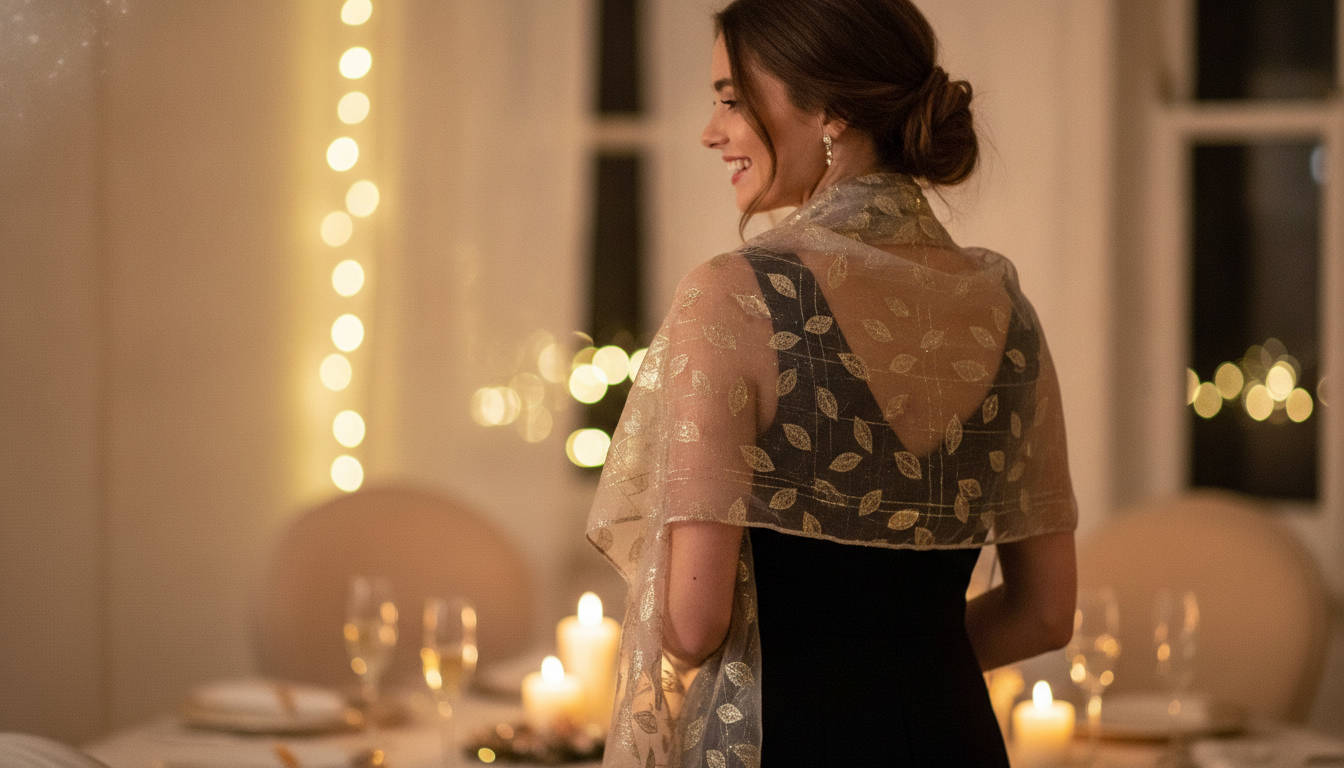
If accessories are the easiest way to align an outfit quickly, keep one “instant archetype” piece near your go-to outerwear. A small, light-catching option like the Gold Glitter Scarf can add intentional polish or creative sparkle without requiring a full outfit overhaul.
For a guided, step-by-step process you can revisit whenever your lifestyle changes, explore the Style Archetype Mapping Bundle | 3-in-1 Digital Guides for how to find your style archetype.
Yes. Use a dominant archetype to keep your wardrobe consistent and a secondary archetype to add variety, then keep proportions and your color-contrast level steady so outfits still feel cohesive.
It can take one focused session, but many people get a clearer result in about a week by gathering 10–20 inspiration images, reviewing what they actually wear, and testing a few repeatable outfit formulas.
Yes. Even with strict guidelines, archetypes can show up through fabric choice, fit, accessories, and consistent color behavior; build a few work-safe formulas first, then express bolder elements after hours.




Leave a comment